
Chattooga Conservancy

Search this site:

October 8, 2006

American Whitewater lawsuit thrown out of court!

Senior U.S. District Judge William O'Kelley dismissed AW's lawsuit to open the Chattooga headwaters today. The ruling states that American Whitewater cannot file suit until the Forest Service completes their study on the impact of opening the headwaters.

September 13, 2006

The Chattooga Conservancy's Proposed Restrictions for Boating the Chattooga Headwaters

In an effort to reach a resolution for the Upper Chattooga controversy we propose the following regulations be imposed for the upper reaches of the Chattooga River: Proposed Regulations

August 30, 2006

American Whitewater Rejects Chattooga Conservancy's offer to help open Chattooga River headwaters with restrictions.

In an August 30 meeting at the Chattooga Conservancy, Buzz Williams (director of Conservancy) presented an offer to help American Whitewater (AW) open the Chattooga River headwaters to boating. Williams said if AW would agree to drop their lawsuit against the Forest Service (which demands unlimited access to the headwaters), the Conservancy would partner with AW to advocate limited access. AW Executive Director Mark Singleton rejected the offer without discussion. See the meeting agenda here.

What is the Chattooga Conservancy's position on the boating ban above the 28 bridge?

The Chattooga Conservancy was established as a conservation organization in 1991 to "protect, promote and restore the natural ecological integrity of the Chattooga River watershed ecosystems; to ensure the viability of native species in harmony with the need for a healthy human environment; and to educate and empower communities to practice good stewardship on public and private lands." The Conservancy places protection of this resource at the forefront of all programs.

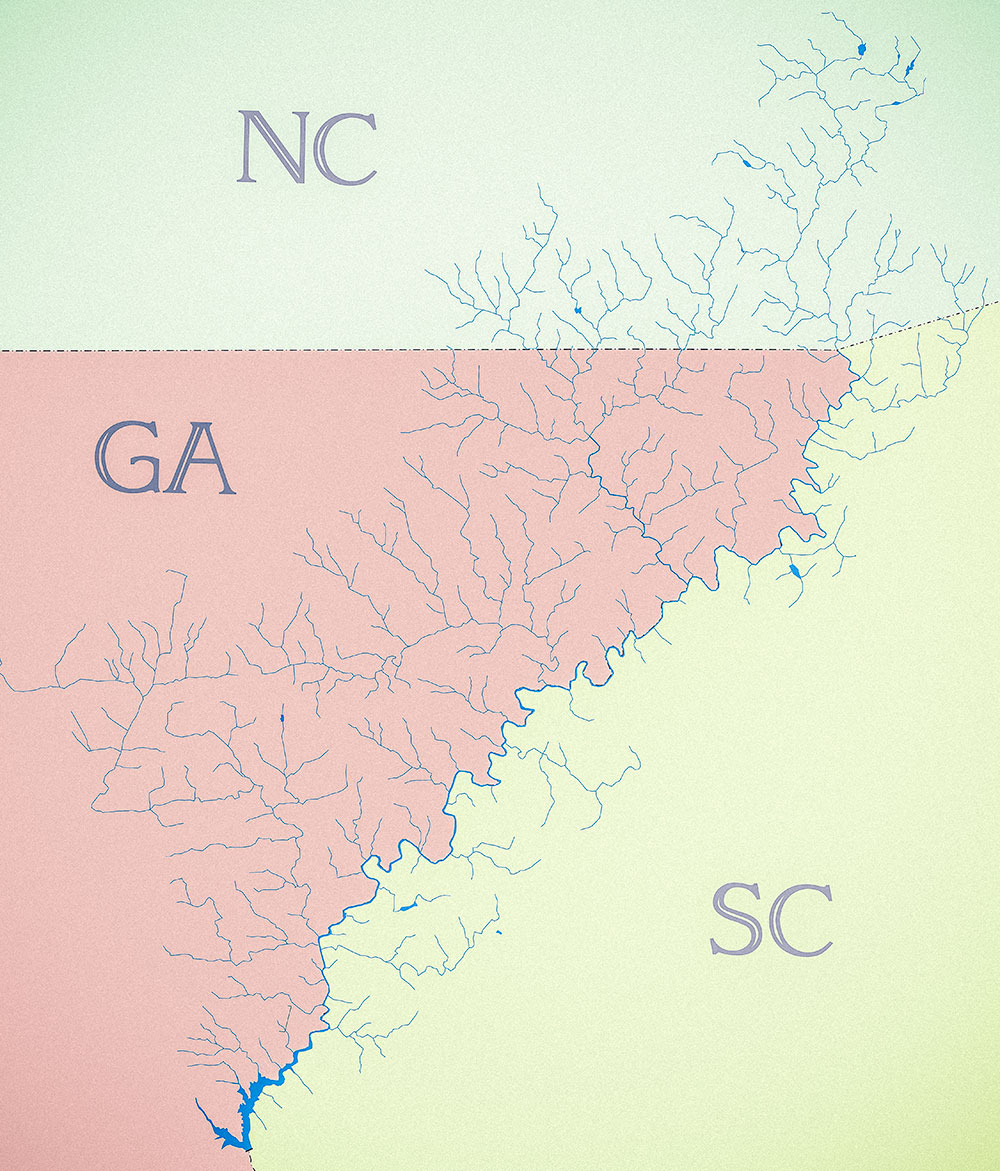
The Chattooga Conservancy believes the key issue in the current debate about opening the Chattooga River to boating above the highway 28 bridge is protecting the "outstandingly remarkable resource" values of the area, both social and environmental.

For example, the headwaters area of the Chattooga is the only place left in the region outside of the Great Smokey Mountains National Park to have a wilderness experience. Opening up the headwaters to unlimited access right now, before the study has been completed to determine how to protect the headwater area's "outstanding remarkable resources," would be irresponsible. The American Whitewater Association (AWA) has stated that they are demanding immediate access to boating the headwaters without limitations because the Forest Service's study process to determine how to protect the "outstandingly remarkable resource" values of the area is taking too long, and AWA has recently filed a complaint in federal court to this effect. We believe this is an unreasonable demand and we want to see the Forest Service's analysis continued as scheduled.

We realize that this is a sensitive issue and accept that this is a difficult position to take. However, as a conservation organization we have an obligation to protect the Chattooga River Watershed first, despite our own personal wants and activities. In this case, that is exactly what we have done.

More details

For as long as the Chattooga has been Wild and Scenic, there has been concern for potential use conflicts. The 1971 Wild and Scenic Study Report on the Chattooga River concluded that the river was not "overused," but it cautioned that future demand could reach saturation and cause a degradation of the Chattooga's wilderness "experience". Consequently, the report recommended development to be guided by preserving a primitive experience as a priority over demand.

The Chattooga Conservancy is not against access, in fact, in the past we have worked hard to keep access available to people in various areas of the Chattooga River. Specifically, if it weren't for our efforts, the West Fork of the Chattooga would have been closed to boating in 1997. Once again, in 1999 there was an incident at Raven's Chute that caused Senator Strom Thurmond to call for closing section IV of the river, because it was "too dangerous." More recently, our current work on the Stekoa Creek Water Monitoring Project has been a huge success, and we anticipate even greater strides toward a restored Stekoa Creek in the near future. Throughout the years, the Chattooga Conservancy has played an integral role in each of these matters and maintains that access in these areas is an important part of a user's ability to see places of wild beauty. With that said, we simply do not favor increased use in sensitive areas such as the headwaters.

The headwaters of the Chattooga have been described as the salamander capital of the world, home to several species in the plethodon family of salamanders and potential habitat for the endangered green salamander. These animals are interesting because they breathe through their skin, must remain in moist areas all the time, and emerge from their underground burrows only at night or in the rain. Additionally, the headwaters contain several rare, threatened and endangered species of plants including rock clubmoss (Huperzia porophila), fir clubmoss (Huperzia selago), Biltmore sedge (Carex biltmoreana), divided leaf groundsel (Senecio millefolium), dwarf filmy fern (Trichomanes petersii), and sword moss (Bryoxiphium norvegicum). Obviously, increased use in this area could affect these species and we believe that a through environmental assessment should be completed to determine the potential threats to these and other sensitive species which are found in this area.